
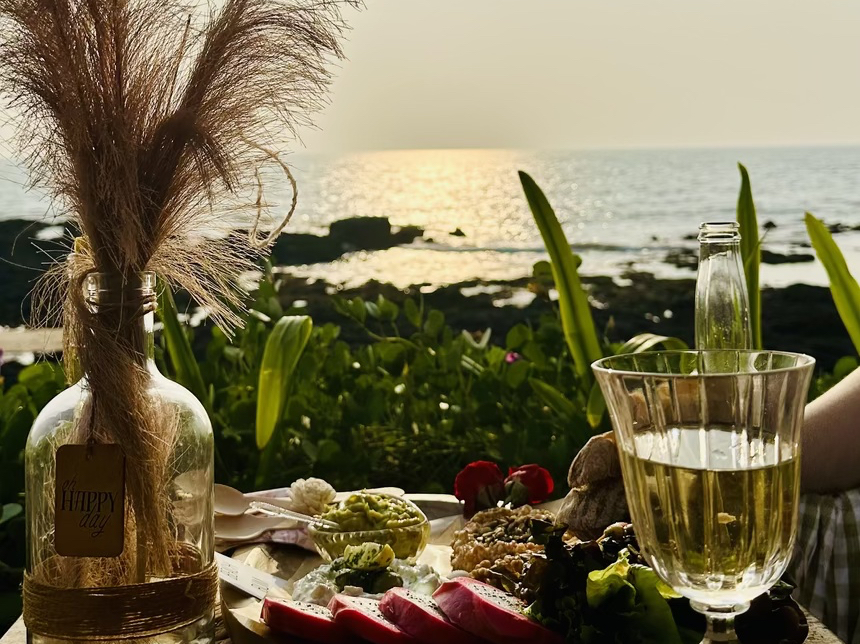
India, a land of diverse cultures, ancient traditions, and breathtaking landscapes, offers a travel experience unlike any other. Planning a trip to this vast and varied country can be both exciting and overwhelming. This travel guide will help you navigate through the essentials, ensuring your journey through India is memorable, comfortable, and enriching.
When to Visit
India is a country with diverse climates, so the best time to visit depends on the regions you plan to explore.
I. Winter (October to February): This is the most popular time to visit India, especially for exploring the northern regions like Rajasthan, Delhi, and Agra, where the weather is cool and pleasant. It’s also a good time to hill stations plus Goa and Kerala in the south. The most celebrated Indian festivals namely Diwali (the festival of lights) and Holi (the festival of colours) also occur during this season. The festivals in India are celebrated as per Hindu Calendar which means based on the movement of the moon, this is why they are celebrated every year on different dates as per Gregorian calendar but usually Diwali occurs in month of October or November and Holi occurs in the month of February or March and this can be the best time to enjoy the rich festivals and the traditions of India.
II. Summer (March – April): The summer months can be extremely hot, especially in the plains and northern regions. However, this is an ideal time to visit the hill stations in the Himalayas, such as Manali, Shimla, and Darjeeling. Still, please avoid the months from May to August on every cost because of summer and too much rains causing extreme water logging on roads and landslides on hilly regions.
III. My Advise for Best Season: So, my pick for best season is Winters (October to February) as it is also perfect for exploring the hill stations and famous Himalayan region but also quite pleasant weather for exploring the beaches, desserts, rainforest etc. Though avoiding the time from mid December to mid January would be advisable because of the rush and extreme crowd since India is already a country with largest populations and I am sure one can imaging how extra crowded tourist places can be when even natives are travelling for vacation all around the country.
Entry Requirements
Most travelers to India require a visa (mostly e visa for citizens from EEA and American region), which can be obtained through the Indian embassy or consulate in your home country, or online through the e-Visa system. Make sure your passport is valid for at least six months beyond your planned date of entry. Always carry copies of important documents like your passport, visa, and travel insurance.
Getting Around
India’s transportation system is extensive, offering a variety of ways to get around:
I. Flights: India has a well-connected domestic flight network, with major airlines like Air India, Vistara, IndiGo, and SpiceJet offering frequent services between cities. Indigo and SpiceJet are often compared with Ryanair and Wizzair of Europe in terms of price but they much better in terms of luggage you’re allowed to carry.
II. Trains: The Indian Railways network is one of the largest in the world, providing an affordable and scenic way to travel. Trains range from luxurious options like the Palace on Wheels to more budget-friendly sleeper classes. Booking in advance is recommended, especially for long-distance travel. I would highly recommend taking atleast one journey on Indian trains which is definitely give you a very different experience. Do note trains like VandeBharat, Tejas, Shatabdi and Rajdhani are fast trains of India that too in very affordable price with great meals included in the ticket price. Any trains except these might be slower trains and might not give the desired experience.
III. Buses and Taxis: Buses are another popular mode of transport, especially for short distances. For city travel, taxis, auto-rickshaws, and app-based services like Uber and Ola are widely available. Tuk-Tuk and E-richshaw rides are very popular among tourists especially from western part of the world.
IV. Renting a Car: If you prefer to drive, car rentals are available, though driving in India can be challenging due to traffic and road conditions. Hiring a car with a driver is a convenient and stress-free option since it’s also much cheaper in India in comparison to Europe, US, Singapore or Hong Kong.
Must-Visit Destinations
India’s vastness means there’s something for everyone, but here are some must-visit destinations that showcase the country’s diversity:
A. Delhi: The capital city is a blend of ancient and modern, with iconic landmarks like the Red Fort, Qutub Minar and India Gate. Lotus Temple and Akshardham temple are also much visit places to see the cultural beauty of India. Don’t miss exploring the street markets of Connaught Place, GK M Block and beautiful cafes in South Delhi and Majnu ka Tila.
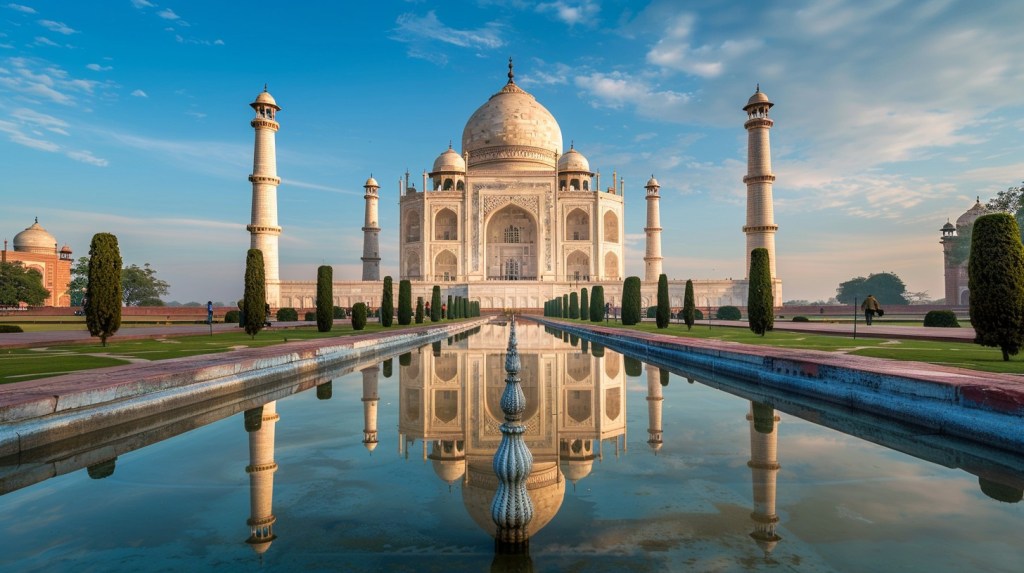
B. Agra: Home to the world-famous Taj Mahal, Agra is a must-visit for its stunning Mughal architecture and rich history. The Agra Fort and Fatehpur Sikri are also worth exploring.
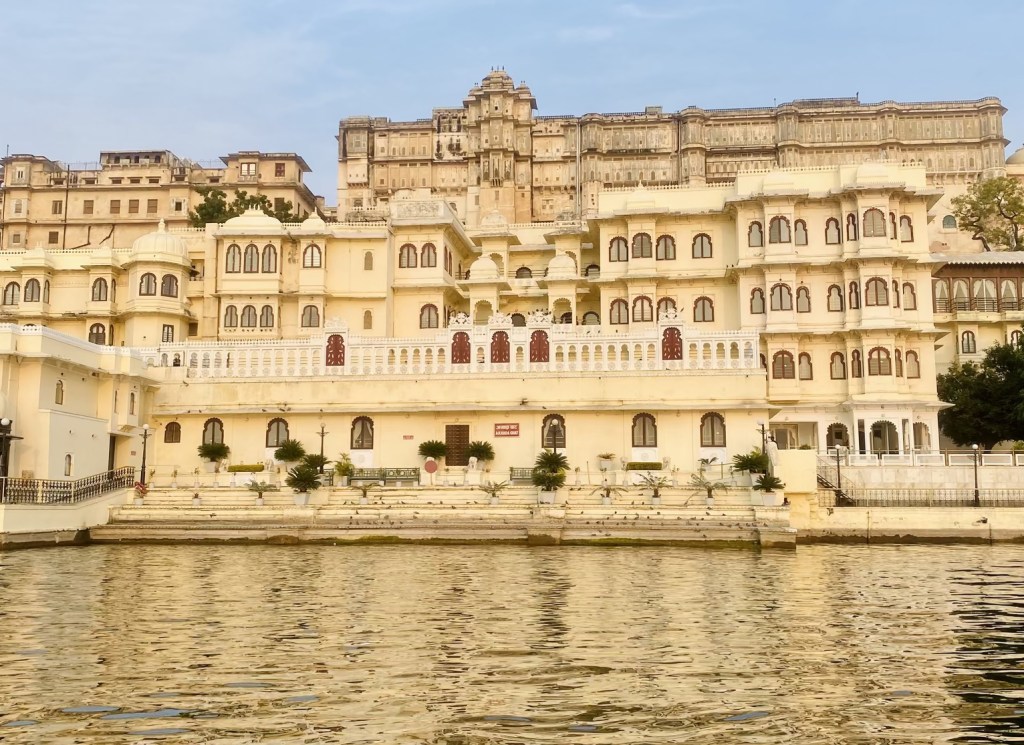
C. Rajasthan: This state is synonymous with royalty, featuring magnificent palaces, forts, and vibrant culture. Cities like Jaipur, Udaipur, and Jodhpur offer a glimpse into India’s regal past, magnificent architecture, rich culture, traditions and cuisine.
D. Kerala: Known as “God’s Own Country,” Kerala offers serene backwaters, lush greenery, and pristine beaches. A houseboat cruise on the backwaters of Alleppey and a visit to the hill station of Munnar are highlights.
E. Himachal Pradesh: Nestled in the lap of the Himalayas, Himachal Pradesh is a haven for nature lovers and adventure enthusiasts. Explore the picturesque hill stations of Shimla and Manali, trek through the lush valleys of Mcleodganj, Kasol and Kangra, or find peace in the spiritual town of Dharamshala, home to the Dalai Lama. Himachal Pradesh offers stunning landscapes, from snow-capped peaks to dense forests, making it a must-visit destination.
F. Goa: Famous for its beaches, nightlife, and Portuguese heritage, Goa is a perfect blend of relaxation and adventure. Explore its beautiful churches, indulge in water sports, and enjoy the laid-back vibe.
G. Varanasi: One of the world’s oldest living cities, Varanasi is a spiritual hub for Hindus. The ghats along the Ganges River, where rituals and ceremonies are performed, provide a deeply spiritual experience.
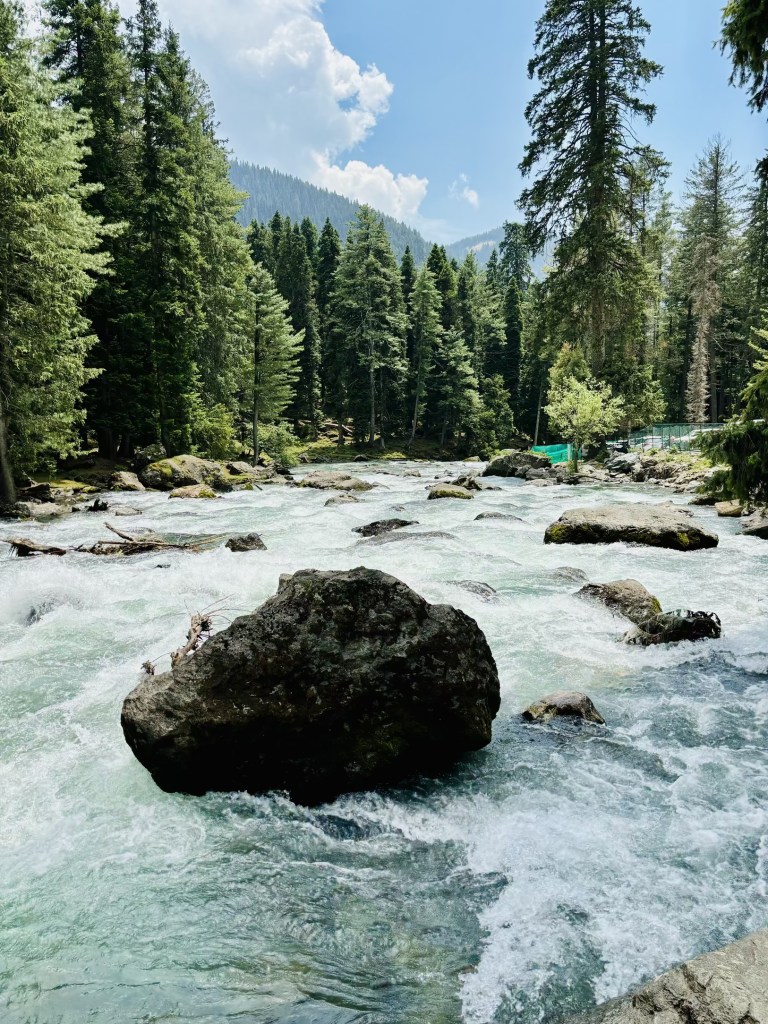
H. Srinagar, Kashmir: Often known as the paradise of the world, Kashmir valley offers breathtaking beauty of snow capped mountains in Gulmarg, lush green meadows and pristine waters in Pahalgam and floating Shikaras/houseboats in Dal Lake which is often called ‘Jewel in the crown of Kashmir’. If you’re a nature lover, Kashmir is the paradise you’ve been looking for.

Health and Safety Tips
I. Vaccinations: Make sure you are up-to-date on routine vaccines especially for prevalent diseases, and consider additional vaccines for Hepatitis A and B, typhoid, dengue and malaria, depending on the regions you plan to visit.
II. Food and Water: To avoid foodborne illnesses, stick to bottled water and be cautious with street food. Opt for freshly cooked dishes and eat at reputable restaurants. Avoid non-vegetarian dishes at local food joints which are not crowded enough, they might serve foul or rotten meat/chicken/fish or low quality food.
III. Travel Insurance: Comprehensive travel insurance that covers health, accidents, and theft is essential for any trip to India. One things I can assure that India really has one of the greatest medical and healthcare system.
IV. Local Customs: India is a conservative country, especially in rural areas. Dress modestly, especially when visiting religious sites. Be aware of local customs and traditions, and always ask for permission before photographing people.
V. Safety from Offences: Offences like pick-pocketing and thefts are common, so keep your wallets and pockets safe and don’t leave your luggage unattended. Stay cautious of your surroundings and don’t consider walking in night at deserted places especially for female travellers (solo or group) since India can be a safe country if you stay close to community and follow the norms. Don’t forget short talks and tips from locals as it always help. In case anything feels suspicious, call 100 or 112 to police and stay on call till you feel safe again. Remember that ‘Precaution is better than cure.’
Packing Essentials
I. Clothing: Lightweight, breathable fabrics are ideal for India’s warm climate. Include a mix of modest clothing for cultural sites and comfortable attire for travel days. A scarf or shawl is handy for covering your head in religious places. Include winter jackets and snow jacket for Himalayan excursion especially
II. Footwear: Comfortable walking shoes are a must, as you’ll be doing a lot of exploring. Sandals are also great for hot weather and easy to slip off when entering temples.
III. Health Supplies: Pack a basic first-aid kit, including medications for common travel ailments, insect repellent, and sunscreen.
IV. Electronics: India uses a 230V supply voltage and 50Hz, so bring the appropriate power adapters for your devices.
V. Carry Cash: It is important to carry cash be it for travelling in tug-tuk/e-rickshaws or be it shopping from street stalls and eating in small food joints. India uses UPI on ground level i.e. scanning a QR Code and paying directly from bank account though this is a very convenient and widely used method of payment even on smallest tea shop but it requires Indian SIM card and bank account.
Cultural Etiquette
I. Greetings: A simple “Namaste” with hands pressed together is a respectful way to greet people. Handshakes are also common, particularly in urban areas.
II. Tipping: Tipping is customary in India. In restaurants, 10% is standard. For hotel staff, porters, and guides, a small tip is appreciated.
III. Personal Space: India can be crowded, and the concept of personal space may differ from what you’re used to. Be patient and courteous, especially in busy areas.
Conclusion
India is a land of incredible diversity, where every region offers a new adventure. With its rich history, vibrant culture, and warm hospitality, India promises a travel experience like no other. By planning ahead and keeping these tips in mind, you’ll be well-prepared to explore this captivating country and create memories that will last a lifetime. Whether it’s your first visit or one of many, India is sure to leave a lasting impression on your heart and soul.
NOTE- If you liked this article, also read Why India is an essential addition to your travel bucket list at link below.


 Explorer's Echo