
Europe, with its rich history, diverse cultures, and stunning landscapes, is a dream destination for many travelers. However, the thought of exploring Europe can often come with concerns about costs. But with some smart planning and a few savvy tips, you can experience the wonders of Europe without breaking the bank. Here’s how to make your European adventure both affordable and unforgettable.
1. Plan and Book in Advance
This is one advice which every traveller will give you but this is one of the best ways to save money especially when planning a trip to Europe since Euros can feel very heavy on the pocket. Thus, the best travel hack is to plan and book as much as possible in advance. Flights, accommodations, and even some attractions offer early bird discounts, which can significantly reduce costs.
A. Flights: Use flight comparison websites like Skyscanner, Google Flights, or Kayak to monitor fares. Set up price alerts to snag the best deals. Consider flying into less popular airports or cities, which can be cheaper, and then take a budget airline or train to your final destination.
B. Accommodations: Hostels, guesthouses, and Airbnb are great options for budget travellers. Book early to secure the best rates, especially in popular destinations or during peak travel seasons.
C. Attractions: Many major attractions offer discounted tickets if booked online in advance. This also helps you avoid long queues, saving both time and money.
2. Travel During the Shoulder Season
Timing your trip during the shoulder season – the period just before or after the peak tourist season – can make a big difference in cost. The shoulder season in Europe generally falls in late spring (April to June) and early autumn (September to October). During these times, you’ll find:
A. Lower Prices: Hotels, flights, and tours are often cheaper than during the summer months.
B. Fewer Crowds: Popular sites and attractions are less crowded, allowing for a more relaxed experience.
C. Mild Weather: The weather is usually pleasant, making it ideal for exploring cities and countryside alike.
3. Embrace Budget-Friendly Transportation
Europe’s transportation network is extensive and varied, offering plenty of budget-friendly options.
I. Internal city travel/Airport Transfers- The transport system inside all major European cities is very well connected and very comfortable. Thus, it is the best way for sightseeing and internal city travel, infact it is also a must touristic experience to travel in European trams. Further, all airports though situated at outskirts of city but have great connectivity with city centre via buses and metro. The buses are the cheapest mode of transport from airport to city centre and generally, the fare of buses is 10 times cheaper than fare of taxi. The metros are also convenient, cheaper than taxi and much faster than bus as mode of transport from airport to city centre.
II. Inter-city, Inter-state or Inter-country travel- European transport connectivity makes it really tempting to take road travel options to witness the mesmerising beauty of European landscape. The following are my suggested travel options:-
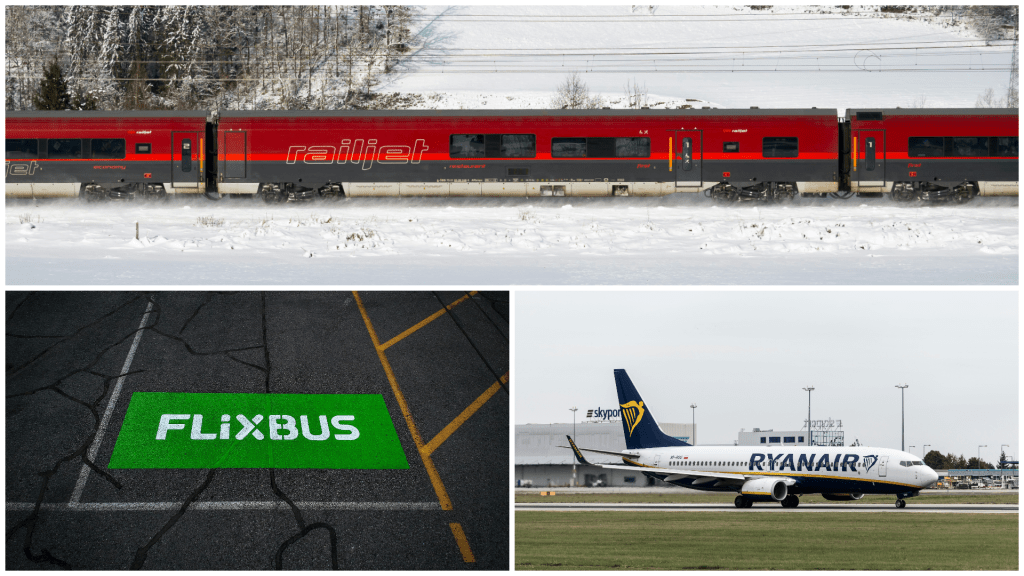
A. Buses: Companies like FlixBus, Eurolines, Omio and Megabus offer affordable long-distance bus services across Europe. Buses are usually cheaper than trains, especially for longer routes and offers a comfortable experience with often inbuilt Toilet and Wifi facilities. It is my most preferred option to travel because of cheaper prices and the scenic view travelling via road offers including the landscape, cultural heritage, villages and cities infrastructure on the way etc.
B. Trains: While high-speed trains like the Eurostar and TGV can be pricey, regional and slower trains are often cheaper and provide scenic views. Consider purchasing a EURAIL Pass if you plan to travel extensively by train, as it can offer significant savings and unlimited travel and hop on & hop off on inter-city trains without any stress.
C. Budget Airlines: Europe is home to several low-cost airlines such as Ryanair, EasyJet, and Wizz Air which usually costs like 25-30 USD to 50-60 USD excluding baggage which is approximately INR 2000-2500 to INR 5000-5500. These carriers offer incredibly cheap flights if you book early and travel light. However, be mindful of additional fees for baggage, seat selection, and other extras. Do note that the normal ticket price of these flights do not include any cabin or checkin baggage.
D. Carpooling: Services like BlaBlaCar connect drivers with empty seats to passengers traveling in the same direction. This can be a cost-effective and social way to travel between cities.
4. Opt for Budget Accommodation
Accommodation is often one of the biggest expenses when traveling, but Europe offers a wide range of affordable options.
A. Hostels: Hostels are a staple for budget travelers. Many offer private rooms in addition to dorms, as well as kitchen facilities to help you save on meals. Websites like Hostelworld and Booking.com are great for finding hostel deals.
B. Airbnb: Renting a room or apartment through Airbnb can be more affordable than staying in hotels, especially if you’re traveling with a group. Plus, you’ll have access to a kitchen to cook your meals, which can further reduce costs.
C. Guesthouses and B&Bs: In smaller towns and rural areas, guesthouses and bed-and-breakfasts can offer a more personalized and often cheaper alternative to hotels.
D. Couch-surfing: For the truly budget-conscious, Couch-surfing allows you to stay with locals for free. But this is not an ideal option for first time Indian tourists since it will be really tough to find reliable hosts.
5. Save on Food and Drink
Dining out in Europe can quickly add up, but there are plenty of ways to enjoy delicious food without overspending.
A. Eat Like a Local: Avoid touristy restaurants, which are often overpriced. Instead, seek out local eateries, street food vendors, and food markets where you can sample authentic cuisine at lower prices. My personal favourite is buying food from supermarket and either cooking in hostel, Airbnb kitchen etc. or eating freshly packed breads, salad bowls, sandwiches or wraps from Supermarket.
B. Cook Your Own Meals: If your accommodation has kitchen facilities, take advantage of local markets and grocery stores to prepare your own meals. Not only is this cheaper, but it also gives you a chance to experiment with local ingredients.
C. Lunch Specials: Many European restaurants offer set lunch menus at a fraction of the dinner price. Enjoy a hearty meal at midday and opt for a lighter, cheaper dinner.
D. Tap Water: In many European countries, tap water is safe to drink. Carry a reusable water bottle and refill it throughout the day to avoid buying expensive bottled water.
E. Use applications like Too Good to Go, ResQ Club, Food Sharing: These applications offers delicious leftover boxes from local restaurants, bakeries or shops for big sale shortly before closing time. These food items are really delicious and not at all can be compared to unhealthy or going foul since the European Food Standards don’t allow offering or selling food items.

6. Explore Free and Low-Cost Attractions
Europe is rich in history, culture, and natural beauty, much of which can be explored for free or at a low cost.
A. Museums and Galleries: Many European cities offer free entry to museums and galleries on certain days of the month or during specific hours. For example, the Louvre in Paris is free on the first Saturday of each month. Many such museums and galleries in Paris, Rome, Berlin and other capital cities are generally free on the first Saturday of each month.
B. Walking Tours: Free walking tours are available in many cities across Europe. These tours are typically led by local guides who work for tips and offer a great introduction to the city’s history and culture.
C. Parks and Public monuments/squares: Europe is home to countless beautiful parks, gardens, public monuments, lakes, river sides, public squares, beaches etc. where you can relax and soak in the atmosphere without spending a dime.
D. Historic Sites: Many historic landmarks, such as churches, town squares, and monuments, can be visited for free. Walking through old town (city centre) areas in cities like Prague, Rome, or Lisbon is a cost-free way to experience the charm and history of Europe.
7. Use Local SIM Cards and Wi-Fi
Staying connected while traveling is important, but international roaming charges can be steep. Save money by purchasing a local SIM card upon arrival in each country or use an international SIM card that works across Europe. Alternatively, rely on free Wi-Fi, which is widely available in cafes, restaurants, hotels, and public spaces.
8. Consider City Passes
If you’re planning to visit multiple attractions in a particular city, a city pass can offer significant savings. Most European cities, such as Paris, Vienna, Hungary, Rome and Barcelona, offer passes that include entry to major attractions, public transportation, and discounts on dining and shopping.
Conclusion: Enjoying Europe on a Budget
Traveling through Europe on a budget doesn’t mean you have to compromise on experiences. With careful planning, smart choices, and a little flexibility, you can explore Europe’s rich history, vibrant cultures, and breathtaking landscapes without overspending. By following these tips, you’ll not only stretch your budget further but also discover that some of the most memorable travel experiences are those that don’t come with a high price tag. So pack your bags, set your budget, and get ready to embark on an unforgettable European adventure!

 Explorer's Echo